Dungeon Master Dispatch
Running Published Modules
Making Them Your Own
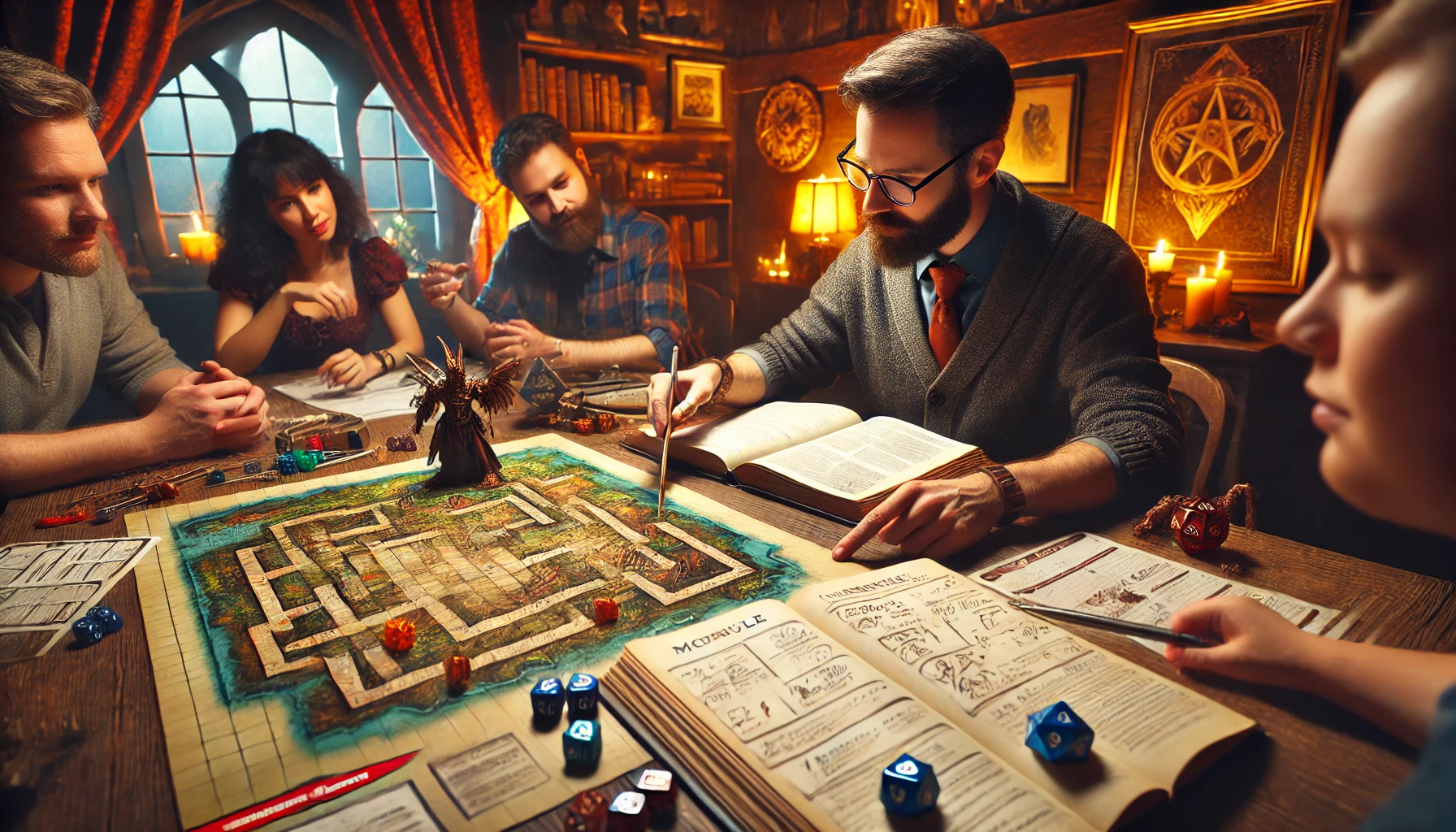
For many Dungeon Masters (DMs), running a Dungeons & Dragons campaign can be a daunting task, especially when it comes to creating a world, story, and encounters from scratch. That’s where published modules come in. These pre-written adventures, packed with rich storylines, maps, and encounters, offer DMs a convenient and structured way to run a game without the immense preparation that a homebrew campaign requires.
Published modules can be especially valuable for novice DMs, offering a starting point that provides guidance and structure, allowing them to focus on learning how to manage the game and keep players engaged. At the same time, more experienced Dungeon Masters may turn to published modules as a way to seamlessly integrate a few sessions of pre-built content into their homebrew campaign without having to create everything from scratch. Whether you’re just starting out or a veteran looking to add ready-made content to your world, published adventures can serve as an excellent tool.
However, while published modules provide a great framework, they often benefit from customization to make them truly resonate with your players and fit seamlessly into your unique style of Dungeon Mastering. Every group of players is different, and what works perfectly for one table might not for another. That’s why personalizing a module can elevate it from a generic adventure to a tailored experience that feels crafted just for your group.
In this article, we’ll explore how to take a published Dungeons & Dragons module and make it your own. From weaving in character backstories and adjusting encounters to homebrewing content that fits into the world, these tips will help you transform a pre-written adventure into a memorable campaign that’s uniquely yours. With a little creativity and preparation, you can turn a published module into something that feels fresh and original, while still benefiting from the structure it provides.

Understanding the Core of the Module
Before you can customize a published Dungeons & Dragons module to fit your unique style as a Dungeon Master (DM), it’s important to first thoroughly understand the module itself. At its core, every module tells a specific story, presents certain themes, and guides players through key plot points. Whether you’re a novice DM or a seasoned one, taking the time to fully grasp the module’s core elements will allow you to personalize it more effectively.
Reading the Module Thoroughly
It might seem obvious, but the first step in making a published module your own is reading it from start to finish. Skimming through or only reading a section right before the session can leave you unprepared for important plot twists, world-building elements, or character interactions. By reading the entire module beforehand, you’ll have a clearer sense of how the story unfolds, which areas might need tweaking, and where you can add your own creative touches.
Take notes as you read—highlighting areas where the plot seems too rigid, encounters that might be too difficult (or too easy) for your group, and parts of the story that don’t align with your campaign’s tone or your players’ expectations. Having this high-level understanding will serve as the foundation for making the module feel like a seamless part of your D&D world.
Identifying Key Themes and Plot Points
Every module comes with a set of core themes and overarching plot points that drive the adventure forward. Some modules focus on classic fantasy tropes like the hero’s journey, while others might delve into darker, grittier themes of political intrigue or survival. It’s crucial to identify these key themes early on and determine how they align with your style as a DM and the preferences of your players.
For example, if your group loves high-stakes action and combat, you might emphasize encounters and dramatic moments in the story. Alternatively, if your players prefer more role-playing and intrigue, you could focus on NPC interactions and character-driven plotlines. By identifying what the module is trying to convey, you can decide which elements to spotlight or adjust to match your group’s preferences.
Assessing the Fit for Your Group
No two groups of players are the same, and that means no published module will be a perfect fit for everyone. It’s your job as the DM to assess whether the module’s story, difficulty, and tone match your players’ preferences and playstyles. Are your players looking for lighthearted, humorous adventures? Or are they hoping for a serious, challenging campaign? Understanding the module’s tone and how it aligns with your group’s dynamic is key to customizing it effectively.
Additionally, consider the power level and experience of your party. Some published modules are designed for high-level characters and feature complex encounters, while others are better suited for newer players or low-level adventurers. You may need to scale certain encounters or adjust plot details to make sure the module feels challenging but fair for your party.
By thoroughly understanding the core of the module—its plot, themes, and intended challenges—you’ll be in a better position to mold it into an adventure that feels tailored to your specific group. This foundation is crucial before you start making any modifications, ensuring that the core story remains intact while giving you the flexibility to adjust and enhance as needed.

Adjusting for Your Players’ Preferences
One of the greatest advantages of running a published Dungeons & Dragons module is that it gives you a pre-built foundation to work from. However, the one-size-fits-all approach of these modules won’t always perfectly match the playstyle, preferences, or interests of your group. As a Dungeon Master (DM), one of your most important tasks is to tailor the adventure to suit your players’ unique dynamics, ensuring everyone is engaged and excited about the story you’re telling together.
Character Integration
A key way to make a published module feel personal to your group is by weaving your players’ characters into the narrative. Published adventures are often written with generic party compositions in mind, so they won’t typically include specific hooks or connections to your players’ backstories. Taking the time to tailor parts of the story to reflect the characters’ personal histories, goals, or flaws can make the module feel like it was written specifically for your group.
For example, if one of your players has a character who is searching for a lost family member, you can easily insert clues or NPCs that connect to that backstory. If another player’s character has a long-standing rivalry with a particular faction, you can modify the module’s antagonists to tie into that conflict. These personalized story elements help your players feel more invested in the campaign and make the module feel like it’s evolving around their characters.
Balancing Player Playstyles
Every group of players has its own preferences when it comes to gameplay. Some may love combat-heavy sessions, while others might prefer role-playing, puzzle-solving, or exploration. Published modules often try to balance these elements, but the balance may not be ideal for your specific group. As the DM, you have the freedom to tweak the adventure’s content to better match the playstyles of your players.
For a group that thrives on combat, consider emphasizing or expanding certain encounters, perhaps even adding in additional combat scenes where it makes sense within the story. On the other hand, if your players enjoy solving puzzles or role-playing interactions with NPCs, you can adjust the pacing of the game to allow more time for these moments. By understanding your players’ preferences, you can fine-tune the module’s structure to deliver a more satisfying experience.
Customizing NPC Interactions
Published modules often provide pre-written NPCs with established personalities, motivations, and dialogue options. While these can be useful, you shouldn’t hesitate to adjust or fully rewrite NPCs to better suit your players’ characters and your campaign. Whether it’s adding depth to an NPC’s backstory or changing the way they react to the players, customizing NPC interactions is a great way to make the world feel more alive and responsive to your group’s choices.
For instance, if a module presents an NPC as a strict, no-nonsense type, but you know your players enjoy more humor or lighthearted banter, you might tweak that NPC to be more comedic or sarcastic. Alternatively, you could enhance an NPC’s role in the story by making them a recurring character that connects to your players’ backstories or motivations. Adjusting how NPCs interact with the party makes each interaction feel more dynamic and personal, keeping your players more engaged in the role-playing aspects of the game.
By adjusting the published module to fit your players’ unique preferences—whether through character integration, balancing playstyles, or customizing NPCs—you transform the adventure into something that feels tailor-made for your group. This approach ensures that each session is more engaging and that every player feels like their character has an impact on the story being told.
Modifying Encounters for Difficulty and Flow
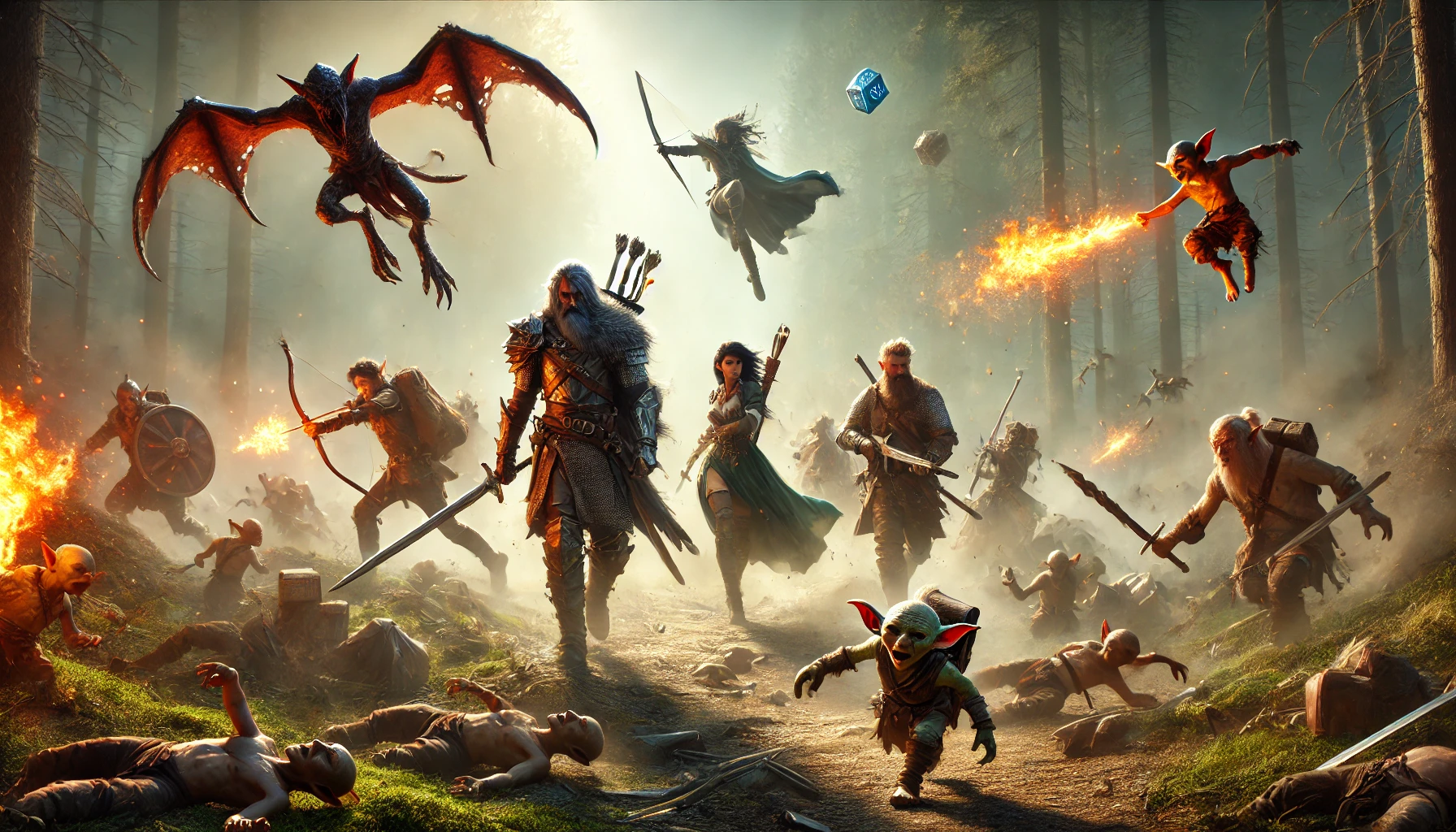
One of the key responsibilities of a Dungeon Master (DM) when running a published Dungeons & Dragons module is ensuring that the encounters are both challenging and enjoyable for your players. While published modules provide pre-written encounters, these may not always align perfectly with your group’s level, abilities, or playstyle. As a DM, you have the power to modify these encounters to create a more balanced and engaging experience. Whether it's adjusting combat difficulty or tweaking exploration challenges, fine-tuning these encounters can make your campaign flow more smoothly and keep your players invested.
Scaling Encounters
Published modules often include preset combat encounters designed for characters of a certain level, but not all parties are the same. If your group is either more experienced or under-leveled compared to the module’s intended audience, scaling the encounters becomes essential. The goal is to provide your players with a sense of challenge without overwhelming them or making the combat feel too easy.
To scale encounters up, you might increase the number of enemies, improve their hit points, or add additional abilities to more dangerous creatures. For example, if the module includes a group of bandits as an encounter, you could add a lieutenant with advanced tactics or special abilities to make the fight more challenging. On the other hand, if your group is lower level or less experienced, consider reducing the number of enemies or downgrading their abilities. You might also lower damage output to prevent overwhelming players early on in the campaign. Striking the right balance ensures that combat feels intense and rewarding, without tipping into frustration or boredom.
Tweaking Exploration Challenges
Exploration is a core part of many Dungeons & Dragons modules, from navigating ancient dungeons to deciphering cryptic puzzles. However, not every exploration challenge in a module will fit your group’s preferences or skill levels. Modifying these elements can help you create a smoother experience while catering to your players’ strengths.
If your players love exploration, you can expand the module’s environments by adding more hidden areas, secret paths, or environmental hazards. Consider inserting extra clues or items that can be discovered with clever problem-solving or creative thinking. Alternatively, if your group isn’t as interested in exploration, you might streamline certain aspects of the module by removing unnecessary obstacles or puzzles that could slow down the pacing. You could also introduce tools or NPC guides that help players progress more quickly through complex areas. Tailoring the level of exploration to match your group’s desires keeps the game moving at a pace that suits everyone.
Pacing Adjustments
Pacing is critical to the flow of a session, and sometimes a published module’s pacing may not align with how your group likes to play. Some groups enjoy fast-paced, action-packed sessions, while others prefer slower, more deliberate storytelling. Adjusting the pacing of a published module can help keep your players engaged and ensure that the campaign flows naturally.
To speed up pacing, consider cutting or summarizing certain scenes or encounters that aren’t crucial to the plot. For example, if there’s a long sequence of travel or a string of minor encounters that don’t add much to the story, you can skip ahead or narrate these moments more quickly. On the other hand, if your group enjoys digging deeper into the world and characters, you can slow down the pacing by expanding NPC interactions, introducing side quests, or adding more detailed descriptions of the setting. Adjusting pacing to fit your group’s preferences helps maintain engagement and ensures that each session feels dynamic and responsive.
By modifying encounters—whether through scaling combat difficulty, tweaking exploration challenges, or adjusting the pacing—you can create a more customized and enjoyable experience for your players. These changes help ensure that the module not only fits the abilities of your party but also aligns with the flow and style of gameplay that your group enjoys.

Adding Your Own Flare
One of the most exciting aspects of running a published Dungeons & Dragons module is the opportunity to make it your own by adding personal touches that reflect your unique style as a Dungeon Master (DM). Whether you’re inserting homebrew content, expanding the world-building, or customizing maps and visual aids, these adjustments can transform a pre-written adventure into something truly unique and memorable. By weaving your creativity into the fabric of the module, you create a campaign that feels tailor-made for your group, while still benefiting from the structure the module provides.
Incorporating Homebrew Content
Homebrewing is a fantastic way to put your personal stamp on a published adventure. Whether it’s adding custom monsters, magical items, or even entirely new spells, homebrewing allows you to introduce elements that align with your world and your players’ expectations. A published module gives you a solid foundation to build on, but incorporating homebrew content can make the adventure feel more fresh and exciting.
For example, if the module includes a generic villain or antagonist, you could replace that character with a homebrew villain from your own world, complete with unique abilities and a backstory that ties into your players' characters. You might also create custom magical items that fit the lore of your campaign, adding a layer of depth that isn’t present in the original module. By weaving these personalized elements into the story, you elevate the experience and make the campaign feel more immersive for your players.
World-Building Enhancements
Published modules provide a set of locations and settings, but as a DM, you have the freedom to expand on these locations, adding your own world-building details that enrich the game. Think about how you can make the cities, dungeons, and landscapes in the module feel more alive and relevant to your overarching campaign.
You could expand upon the history of a town featured in the module, perhaps adding a festival or local tradition that the players can engage with. Alternatively, you might introduce new factions, guilds, or religious orders that connect to the larger world your players have been exploring. This not only deepens the players’ immersion in the setting but also ties the module more closely to the ongoing narrative of your campaign. By integrating your world-building elements, you create continuity between the published content and your own campaign, making everything feel cohesive.
Personalizing Maps and Visual Aids
Many published modules come with maps, handouts, or visual aids, but these can always be adapted or enhanced to fit your vision. One way to add your own flare is by modifying these materials to better suit the specific needs of your players and the tone of your campaign.
For example, if the module includes a dungeon map, you might decide to alter the layout to add secret passages, hidden rooms, or additional traps that challenge your players in new ways. If you’re running a virtual game, you can create custom digital maps using tools like Roll20 or Foundry VTT, where you can layer in dynamic lighting or hidden areas that reveal themselves as players explore. You can also create or modify handouts—such as letters, scrolls, or ancient texts—to provide additional clues or flavor that ties into the module’s plot. These small customizations can make the game feel more immersive and personalized for your group.
Adding your own flare to a published module is what makes the adventure come alive. Whether it’s through homebrew content, world-building enhancements, or personalized maps and props, these creative touches help make the campaign feel unique to your group. The more you inject your own style into the game, the more engaged your players will be, knowing that the story is evolving in response to their actions and choices.

Handling Player Choices and Divergence
One of the biggest challenges when running a published Dungeons & Dragons module is dealing with the unpredictable nature of player choices. No matter how well a module is written, your players will almost always find ways to deviate from the scripted events, making decisions that lead the story down unexpected paths. As a Dungeon Master (DM), part of making a module your own is being ready to adapt and adjust when your players surprise you. How you handle these deviations will not only keep the game on track but also make the adventure feel more dynamic and personalized.
Preparing for Player-Created Plot Twists
It’s almost inevitable that your players will take actions that the module doesn’t account for. Whether they decide to ignore an important quest giver, kill an NPC that was supposed to provide vital information, or side with a villain, your ability to roll with these twists is crucial to maintaining the flow of the game. When your players take the story in a new direction, embrace it as an opportunity to expand the narrative rather than seeing it as a disruption.
To prepare for these moments, make sure you understand the module’s core objectives. If your players bypass a key encounter or choose to resolve a situation in a nontraditional way, think about how you can guide them back toward the overarching goals without forcing them down a specific path. Sometimes, a simple shift in how information is delivered can help keep the story on track. For example, if an important clue is missed because the players avoid a particular NPC, consider having another character present the information in a different way. Flexibility is key to ensuring that the players’ choices still have meaningful consequences while maintaining the core storyline.
Keeping the Core Story Intact
While player freedom is important, part of running a published module means ensuring that key plot points remain intact to prevent the narrative from unraveling. The goal is to give your players agency while also keeping them engaged with the central conflict of the adventure. If the module revolves around a specific threat—such as an ancient evil or political intrigue—it’s important to ensure that these elements remain in play, even if the players veer off course.
When players deviate from the intended story arc, look for ways to subtly guide them back to the main plot without making it feel forced. This could be through environmental cues, NPCs dropping hints, or natural consequences that push the party back toward the critical path. For example, if the players are meant to investigate a certain location but choose to explore elsewhere, you could have rumors or events draw them back to the key location. The important thing is to make sure that player agency is respected while still keeping the central narrative in focus.
Flexibility is Key
One of the most valuable skills a DM can develop is the ability to improvise. No matter how much preparation you put into running a published module, your players’ choices will inevitably take the story in directions that require on-the-spot adjustments. Being flexible allows you to maintain the flow of the game and create a more organic and responsive experience for your players.
Improvisation doesn’t have to be daunting. Keep a few general guidelines or “fallbacks” in mind. For instance, have a couple of NPC personalities or encounters ready to insert into the story when things go off-script. These don’t have to be major plot points—just small moments that can help you bridge the gap between player decisions and the larger story. Additionally, don’t be afraid to take a moment to think when your players throw you a curveball. A quick pause for reflection can give you the time you need to plan your next move and ensure the game keeps moving forward.
By embracing player choice and allowing for divergence, you can transform a published module into something that feels dynamic and player-driven. The key is balancing the freedom to let players shape the story while ensuring the core elements of the module stay intact. With the right approach, you’ll find that these unexpected twists not only enhance the campaign but also create unforgettable moments for your group.

Using Feedback to Refine the Experience
As a Dungeon Master (DM), your goal is to create an engaging and enjoyable experience for your players, and one of the best ways to achieve that is by actively seeking feedback from your group. Running a published Dungeons & Dragons module is a collaborative experience, and the more you tailor it to your players’ preferences, the better your sessions will become. Feedback allows you to understand what aspects of the module are working well and what might need adjustment, helping you refine the adventure as it unfolds.
Gathering Player Input
After a session, take the time to check in with your players and ask for their thoughts on the game. Did they enjoy the story? Were the encounters too easy or too difficult? Was there anything they felt particularly engaged with or disconnected from? These kinds of questions give you a clearer picture of how the session was received and what adjustments, if any, should be made moving forward.
Encourage open and honest feedback, but keep it informal to avoid putting pressure on your players. Sometimes a simple post-session conversation can reveal insights that you wouldn’t have picked up on during the game. If your group is comfortable with it, you could even create a brief survey or a feedback form to help guide the discussion. This allows your players to reflect on the session and provide more considered responses about what they enjoyed and what could be improved.
Adapting Future Sessions
Once you’ve gathered feedback, use it to fine-tune the module and adjust the upcoming sessions. For example, if your players found a particular combat encounter too difficult, you might scale back the next one, ensuring that the challenge is balanced without sacrificing the tension. On the other hand, if they found an NPC interaction particularly engaging, consider expanding that character’s role in the story or giving them more meaningful interactions in future sessions.
Feedback is especially valuable when running a published module because it helps you understand which parts of the pre-written content resonate with your group and which parts might need tweaking. Published modules are designed to fit a wide range of playstyles, but not every group will connect with every aspect of the module in the same way. By listening to your players and adapting the content based on their responses, you make the adventure feel more personal and aligned with their interests.
Iterating as You Go
The process of refining your game doesn’t have to happen all at once. Think of it as a continuous improvement cycle that evolves with your campaign. Each session provides an opportunity to experiment with different approaches, encounter designs, and narrative choices. By making small adjustments based on player feedback, you can keep the campaign fresh and engaging while ensuring that the story stays true to the module’s core.
Iteration also allows you to fine-tune pacing, difficulty, and character interactions. For example, if you find that sessions are dragging due to overly complex puzzles or exploration, you can streamline those elements to maintain a faster pace. Conversely, if players are speeding through encounters too quickly, you can add layers of complexity or introduce role-playing moments to slow things down and provide more depth.
In addition to direct player feedback, pay attention to your own observations as a DM. If you notice that certain elements of the game aren’t working as smoothly as you’d like—whether it’s managing the flow of information, balancing encounters, or handling role-playing moments—take note and make adjustments. Sometimes the smallest changes, like how an NPC delivers key information or how much time is spent on exploration, can have a big impact on the flow of the session.
Using feedback as a tool for continuous improvement ensures that your D&D sessions are always evolving and getting better. By listening to your players and iterating on your approach, you can turn a published module into a customized experience that perfectly matches the group’s preferences, making the campaign feel more dynamic and engaging as it unfolds.
Bringing Your Personal Touch to Published Modules
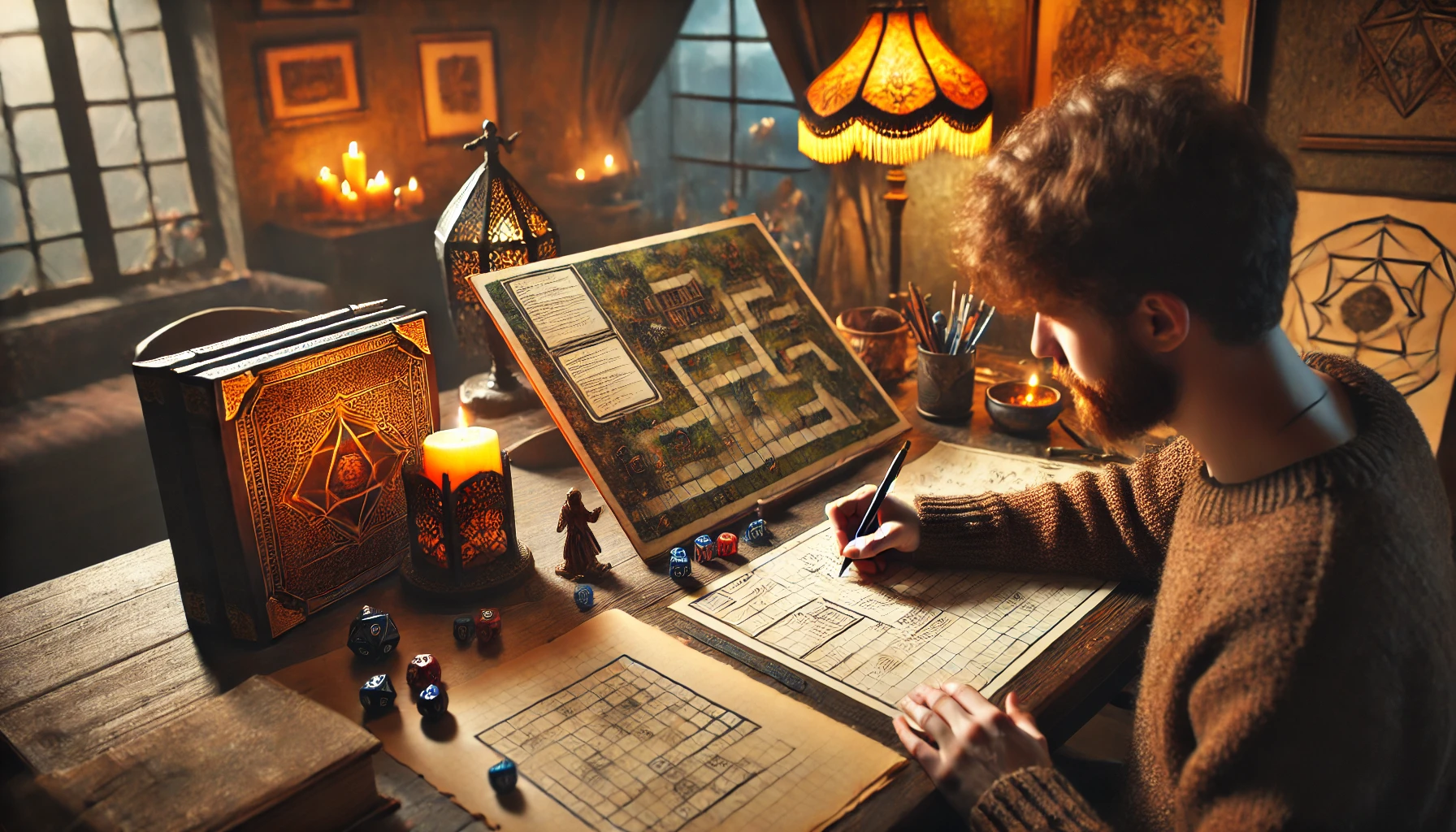
Running a published Dungeons & Dragons module offers a great opportunity for Dungeon Masters (DMs) to take advantage of pre-written content while still leaving room for creativity and personal expression. Whether you’re a novice DM looking for structure or an experienced one integrating modules into your homebrew campaign, customizing the adventure allows you to make it feel uniquely yours.
By understanding the core elements of the module, adjusting for your players’ preferences, modifying encounters, and adding your own flare, you can transform the module from a standard pre-written adventure into a one-of-a-kind campaign that fits your group’s style perfectly. Handling player choices, being flexible with the storyline, and refining the experience based on feedback helps ensure that every session is engaging, dynamic, and memorable.
Remember, published modules aren’t set in stone—they’re a foundation you can build upon, mix, and mold to create something special. The more you tailor the adventure to fit your players and your world, the more they will feel invested and connected to the story. As a DM, your creativity and willingness to adapt are what will make the adventure truly unforgettable.
We’d love to hear about your experiences! Have you run published modules and customized them for your group? What strategies have you used to make them your own? Feel free to share your tips and stories in the comments below, and let’s continue the conversation about making published adventures even better!
Dungeon Master Dispatch